
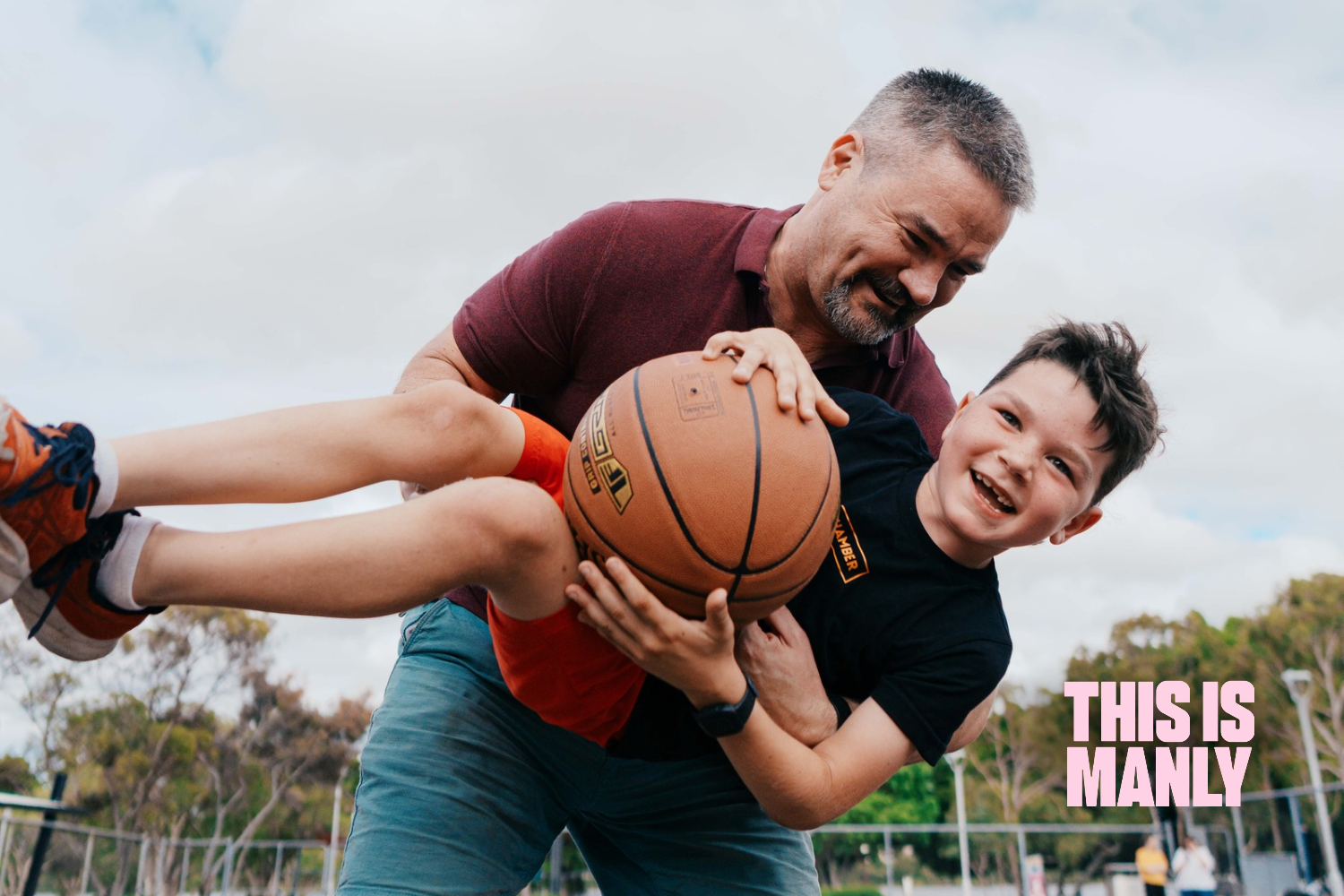
We spend a lot of time thinking about how to get more men involved in prevention. Three years of This is Manly have made us wonder whether we started with the wrong question. We’ve become increasingly interested in the people, relationships, and networks that are already shaping men's lives - and what becomes possible when prevention works through them, rather than alongside them.
One of the questions that has followed This is Manly from the beginning is how to engage more men in primary prevention.
It’s kind of the ultimate question. Prevention asked us to shift deeply embedded gender norms across a whole generation, and that requires men (who make up half the generation) to be part of the change.
Across the country, prevention organisations are already working through schools, sporting clubs and workplaces, recognising the influence these settings have on men and boys. But even within these approaches, men can still be positioned primarily as an audience: people we need to reach, educate or bring into a conversation.
Over three years of This is Manly, we’ve started to wonder whether “how do we engage men?” is always the most useful place to begin.
When we asked young men who influenced their ideas about masculinity, they rarely started with prevention practitioners or formal programs. They talked about people woven into their lives: dads, uncles, grandparents, older siblings, teachers, coaches, colleagues and mates.
This reinforced something increasingly recognised across the prevention field: everyday role models matter. But it also raised a question about how we might work with their influence more deliberately.
Seeing the patterns of influence.
People learn what it means to be a man through far more than the messages explicitly directed at them.
This was something we saw clearly in the first phase of This is Manly. Through our work with young people, we identified four recurring patterns of influence that were shaping their attitudes towards gender, masculinity, and violence.
Taking inspiration: Looking up to people who seemed successful or admirable, but also authentic and relatable.
Working it out together: Testing ideas and making sense of experiences through conversations with peers, without feeling blamed or ridiculed.
Reading the room: Picking up cues about what behaviours were acceptable, what helped people fit in and what might put them outside the group.
Real talk: Having meaningful conversations with trusted adults about values, attitudes and behaviour, particularly at moments when young people were receptive.
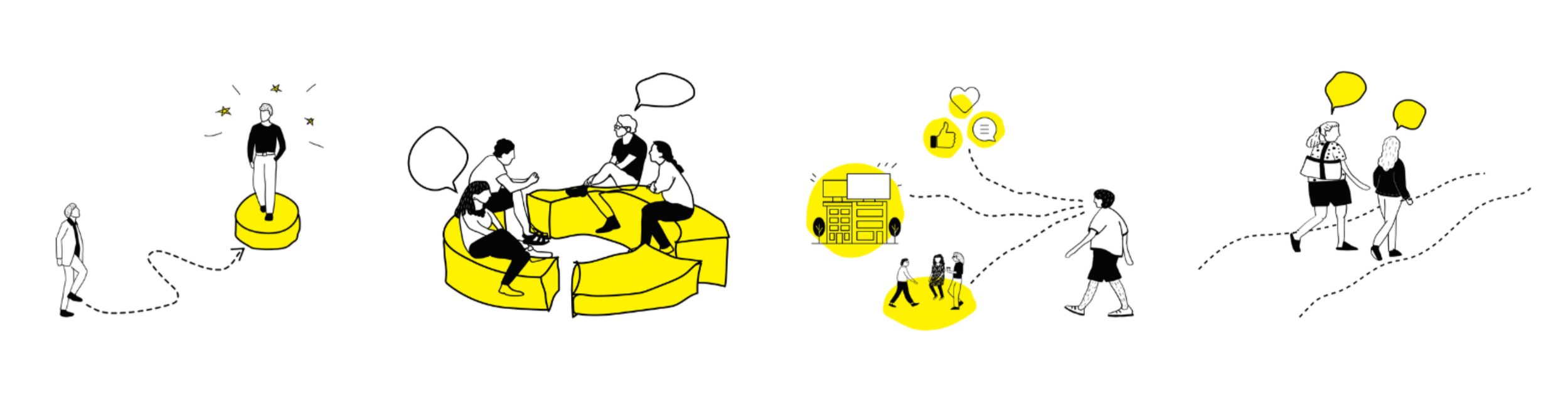
Together, these patterns showed how young people were constantly piecing together their understanding of masculinity through relationships, conversations and social cues.
And crucially, much of that influence was happening without anyone calling it prevention.
This reinforced the opportunity to work through the pathways of influence that already exist, rather than always creating new ones. It also shifted our attention from finding the 'right' men to recognising the influence already distributed throughout communities.
What if we stopped treating men only as an audience?
A conventional engagement model can position prevention organisations as holding the knowledge and men as the people we need to reach with it. We create the campaign, workshop or resource and then work out how to get men through the door.
There is an important place for that work. But it can overlook something valuable: men aren't entering prevention as blank slates.
They arrive as fathers who already care about the people their children become. Coaches are already thinking about the culture of their teams. Employers are already shaping what is acceptable in their workplaces. Community leaders already have deep relationships and credibility. Friends are already the first to notice when something isn't right.
They also arrive with their own experiences, contradictions, assumptions, and gaps. Recognising existing influence isn't the same as assuming that influence is always positive.
It does, however, give us a different jumping-off point.
Rather than beginning with how do we make this person care about our prevention agenda?, we can begin with what does this person already care about, who do they already influence, and what would help them use that influence in ways that contribute to change?
That is a subtle shift, but potentially a significant one. It moves men from being recipients of prevention towards being participants in it.
Wrapping prevention into identity.
To connect it back to the COM-B model of behaviour change (you aren’t sick of it yet, are you?): Many of the men we've encountered through This is Manly already have opportunities in abundance. They have relationships, credibility, repeated contact, and access to moments in which gender norms are being reinforced or contested. Many also have motivation. They care about being good dads, coaches, partners, mates, employers or community members. They want the people around them to be safe and well. But motivation and opportunity don't automatically create action.
Someone can know a sexist comment doesn't sit right and still not know what to say next. A coach can want to create a healthier culture without knowing how to start that conversation. A dad can want his children to grow up with different ideas about gender while still finding himself reproducing some of the expectations he grew up with.
This is where “they just need some backing” needs to mean more than encouragement.
Backing can mean practical language and tools. It can mean opportunities to reflect on your own behaviour without being expected to arrive already knowing the answers or experiencing judgement. It can mean connection with other people trying to do similar things. And it can mean having specialist prevention knowledge available around you, rather than expecting every influential person to become a specialist themselves.
From individual role models to prevention infrastructure.
If influence is distributed across families, friendship groups, workplaces, sporting clubs, schools and community organisations, then those relationships aren't just useful channels for delivering prevention messages. They are part of the social infrastructure through which norms are created and sustained.
A campaign can reach someone for a moment. A workshop can create an important learning experience. But the people around us are present over time. They reinforce ideas through repetition. They have the contextual knowledge to know when and how a conversation might land. And they are part of the environments in which new behaviours either become normal or quietly disappear.
Thinking this way changes the role of prevention organisations too. Our value isn't only in creating the message and finding an audience for it. It can also be in finding, connecting and strengthening the people and organisations already capable of carrying change through their own relationships - while bringing the evidence, specialist knowledge, tools and support that help them do that responsibly.
That's a much more distributed idea of prevention.
And it raises a different set of questions about capability. If we don't need everyone to become an expert, what do people actually need to know to use their influence well? What information helps rather than overwhelms? And how do we translate a complex evidence base into something useful in the moment it matters?
We won’t keep you waiting long for the answer.
Project team
Emma Scott Senior Project Lead, Youth and Families
(Australia New Zealand)
Kaci Oliphant Project Lead (Australia New Zealand)
Rhett Corker Associate (Australia New Zealand)
Naomi West Project Officer (Australia New Zealand)