
He Manaaki, He Aroha: Reimagining End-of-Life Care Together
Te Wā Whakamutunga: Part 1
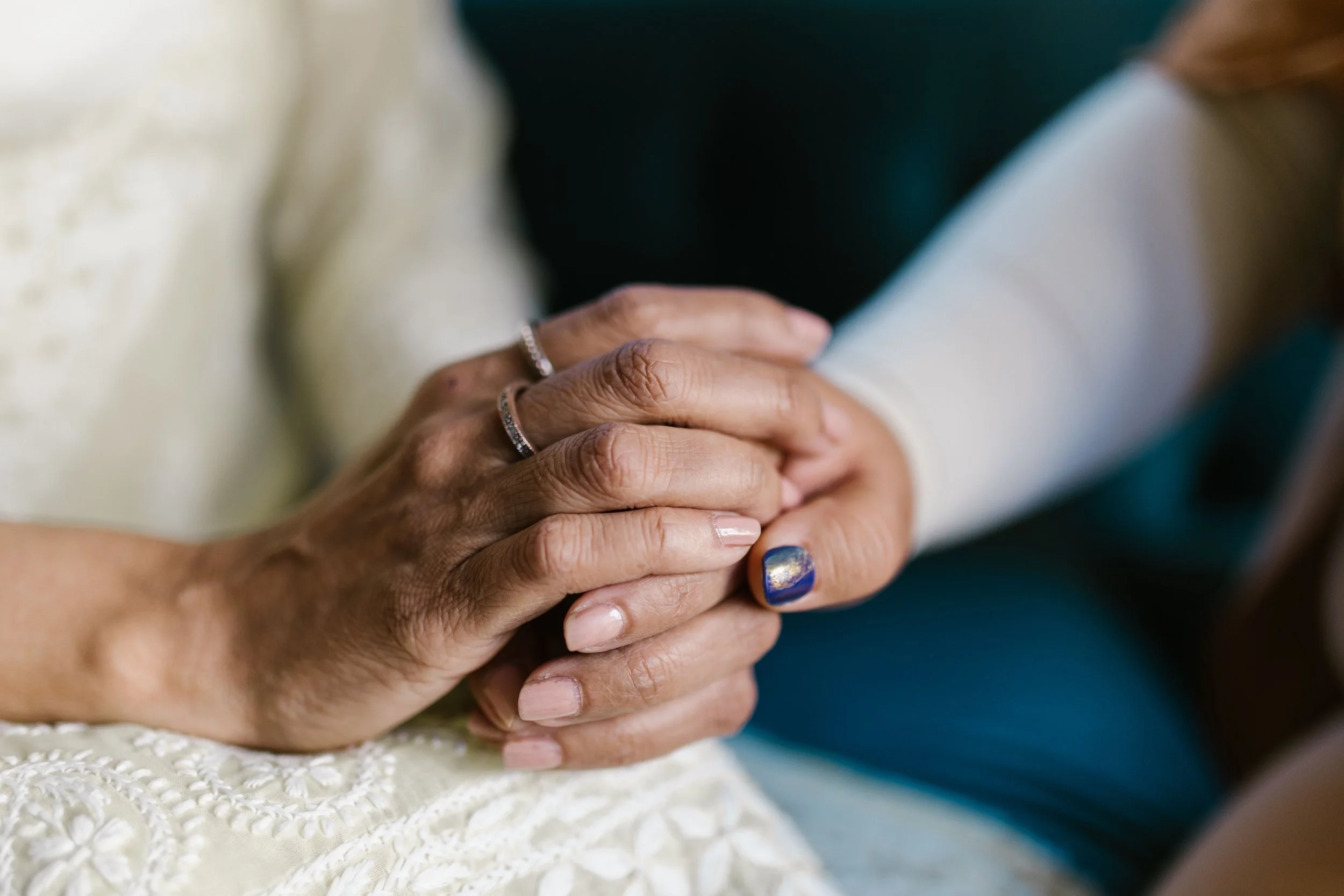
What if the way we die spoke as loudly about our society as the way we live? In Aotearoa New Zealand, the growing crisis in end-of-life care exposes deep cracks in how we value life itself.
Too often, individuals at the end of life are in pain, disconnected from places of meaning and belonging, and facing the end of life without dignity or comfort. The need for end-of-life care is projected to increase significantly. By 2038, the number of deaths in Aotearoa New Zealand requiring care is expected to rise from approximately 24,680 (2016) to 37,286, a 51% increase over 22 years. Tamariki are among the most vulnerable, with approximately 3,000 children needing specialist care each year, 75% are left without the support they urgently require.
The New Zealand Budget 2026 brought welcome investment in hospice and palliative care, acknowledging growing demand across Aotearoa. Yet, the underlying challenges remain. End-of-life care continues to be under significant strain, with fragmented services, inequitable access, and hospices still dependent on community fundraising for more than one-third of their operating costs. Too many people and whānau continue to navigate dying, grief, and loss without the coordinated, holistic support they need.
At ThirdStory, we advocate for spaces where powerful new stories can emerge. We believe this is a critical moment to listen more closely, reflect more deeply, and act with urgency. Supporting solutions, strengthening care networks and, where needed, challenging the policy settings that no longer serve us. Unless we act, this unmet need and the distress it brings will become malignant, leaving more people to die in pain, in places that feel strange and isolating, without those they love around them.
Remarkably, within the space of absence and strain, we are witnessing innovation, not in high-tech equipment or new pharmaceuticals, but in how we show up for each other. Across the motu, individuals, communities, and funders are stepping up. Their efforts are more than helpful; they are directional signals pointing us towards more human-centred collective efforts. They show us that dying well doesn’t have to be the sole domain of overstretched professionals in under-resourced systems.
Ideally, a ‘time of endings - Te Wā Whakamutunga’ is something meant to be co-created, held, and carried together in community. A truly compassionate approach demands skilled, well-resourced professionals and empowered communities working side-by-side, ensuring no one, especially not our children, faces the end of life unsupported.
When held collectively, the solution does not depend on a perfect system, but rather on people who have the courage to speak openly about what we don’t yet know how to fix.
So how do we get there? Where do we start?
At ThirdStory, we have begun researching what place-based end-of-life care and support currently looks like in a pocket of Wellington, with all its complexity.
We applaud the courage of those with lived experiences who have helped us understand this work, and we are guided by Mason Durie’s Te Whare Tapa Whā model of wellbeing to better understand what it means to die well “in community.” We have listened deeply to the physical, emotional, spiritual, and social needs of those at the end of life, and of those who walk alongside them.
We especially tautoko those within the formal health system who currently support families through some of the most vulnerable and emotionally demanding moments of their lives. Their work is often carried out under immense pressure, yet it remains deeply relational, human, and essential.
This project, named “Te Wā Whakamutunga”, does not seek to criticise that work, but rather to strengthen the wider ecosystem of care around helping communities and families feel more connected, informed, and supported in navigating death, dying, grief, and remembrance together.
Through this project, we have begun to learn more about what care and support looks like in the final months of life for those at the centre of death and dying: what is being done well, what makes a difference, what is missing, and what could be done better.
We plan to use this initial research as the foundation for shaping more responsive, community-led models of end-of-life care. Our goal is to work alongside the community and system leaders to drive bold policy change, secure sustainable funding, and support the development of a national strategy that transforms practice.
Te Wā Whakamutunga translates to ‘A time of endings’. It is a civic act of love and a collective expression of what it means to live well, right to the end. Our time of endings matters. It deserves the same care, creativity, and collective responsibility that we give to every other stage of life, because how we care for each other at the close of life, reveals the heart of who we are as New Zealanders.
As our research journey goes forward, we’ll share what we’re learning so we can reflect and grow together.