
Design that Leads: ThirdStory’s system-shifting research judged ‘Best in Class’ by Good Design Awards
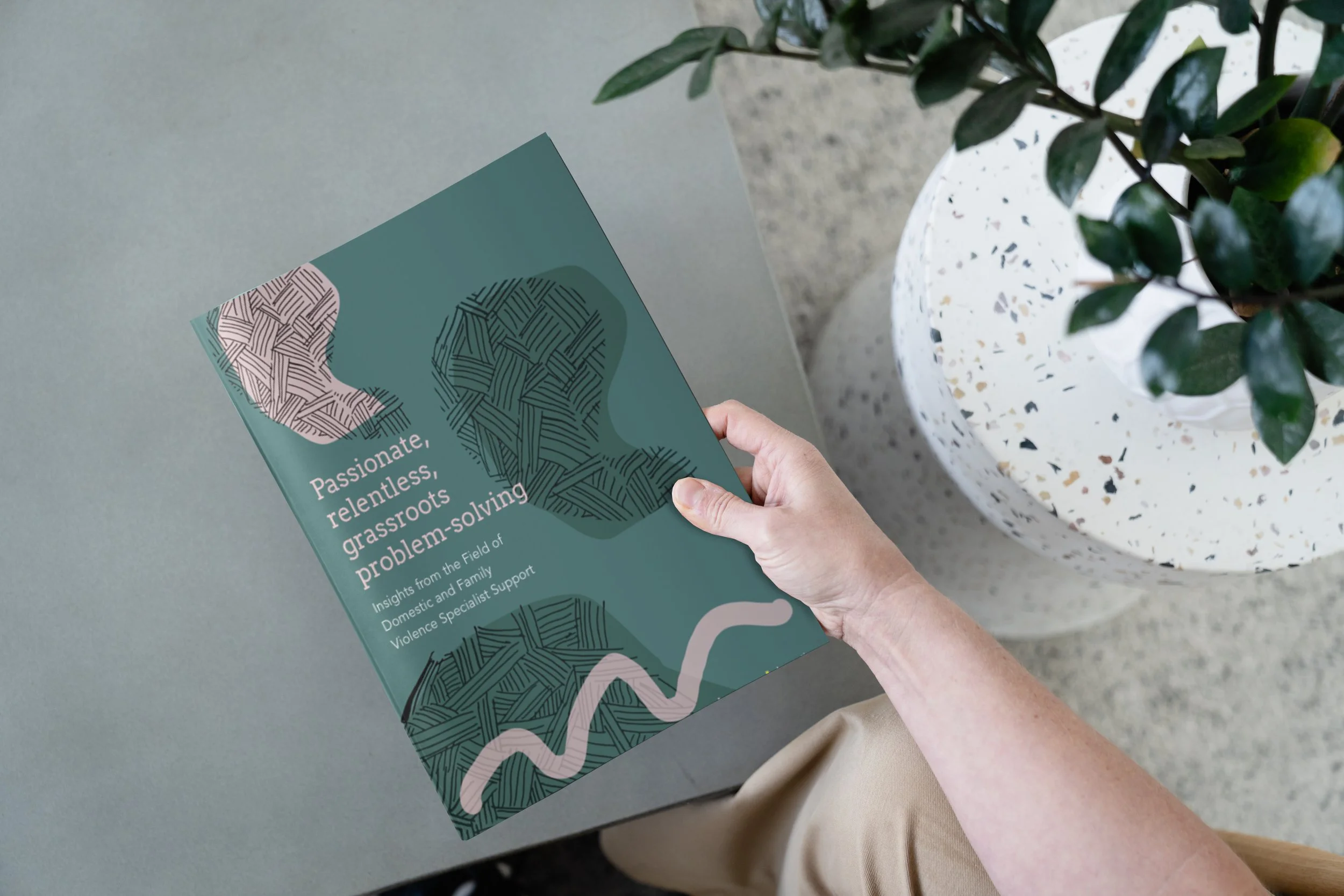
We’re thrilled to receive a top accolade at the 2026 Good Design Awards for our research with the specialist Domestic and Family Violence Support field.
Our team is honoured to receive a prestigious ‘Best in Class’ award for our field-building research with the DFV specialist support field. Our project, Collaborative learning and action with the DFV Specialist Support field, was recognised by the Jury as “an exemplary demonstration of design research”.
The jury commended the project’s success in “redistributing voice and influence within the domestic and family violence sector, creating conditions for services to develop shared identity and recommendations that funders and policymakers could act upon.”
The Australian Good Design Awards is one of the world’s longest-running international design award programs. Its 2026 theme is ‘Design that Leads’, recognising and celebrating projects, teams, and organisations that actively shape industries and influence systems.
“The rigorous integration of trauma-informed practice, cultural safety protocols and collaborative methods successfully translated individual experiences into actionable field-level insights that directly influenced substantial funding programs and policy discourse. ”
Collaborative learning and action with the DFV specialist support field
Domestic and family violence is an entrenched problem across Australia, with some cohorts experiencing it with greater prevalence and harm. However, the services doing the most crucial and complex work to support those affected by violence are often the most isolated and least heard.
The DFV Learning Network set out to change that, using design-led research approaches to convene 31 services, build collective knowledge, and grow a shared voice to influence funders and policymaker decisions.
Through our research we learned that the specialist support field is creative, dynamic and diverse, with services demonstrating powerful practice with cohorts who often have complex needs, such as children and young people, culturally and linguistically diverse women, pregnant women, single mums, users of violence, and LGBTQIA+ Australians.
Yet without the right conditions, this powerful practice stays invisible. Short-term, siloed, program-based funding favours larger mainstream providers, does not match the complex nature of specialist support work, and is not designed to enable collaborative or preventative solutions. Limited shared infrastructure exists for the field to learn together or influence change, and people closest to the problem feel they have the least power to shape its response.
Growing momentum for change through research
“Design can do more than help us understand a problem. Done well, it can change who gets to participate in solving it and create the conditions for lasting change.”
The design of this project was ultimately the intervention, creating the conditions for the field to generate and own its knowledge collectively and build momentum for systems change. Gathering knowledge and strengthening the field happened simultaneously, through the same methods, in the same rooms.
We started by creating safe and supportive conditions for those working in the field to participate. Alongside a literature and practice scan to ground our understanding, we sought HREC ethics approval and designed cultural safety protocols and trauma-informed methods. Then, we spoke to services individually to learn more about their unique context, their experiences of working in the field, and reflections on what they and their clients need.
Analysis moved through three deliberate stages. We used Bridgespan Group’s Strong Field Framework to organise individual accounts into field-level patterns across five domains. Cohort-based small groups of services then made sense of these patterns based on their shared experiences, before being synthesised across the field. Co-design sessions then returned the findings to participants to distinguish what was cohort-specific and what was systemic - and what practices and actions may be required to address identified challenges and un-met needs.
This sequencing moved the network from describing their circumstances to developing specific actions for funders and policymakers, illuminating new pathways for the field. In doing so, the design redistributed who produces knowledge and who influences decisions in the DFV system.
Moving from insights to action
The Network was generously funded by Paul Ramsay Foundation (PRF) as part of their 2023 DFV Special Cohorts grant round. PRF recognised that philanthropy can create the space to listen, learn and help a field shape for itself what comes next rather than just funding isolated services.
Emerging from this research are two learning papers mapping the field, naming ten steps to transformation, articulating powerful practice features, and setting out priority actions. These have influenced the investment decisions of PRF in their subsequent grant rounds focused on the DFV field.
This project demonstrated that good design isn't always about designing a new solution. It's about designing better conditions that support people to solve persistent challenges together.
Interested in working with ThirdStory on a future award-winning project?
Get in touch to arrange a conversation.