
Te Hononga i te Ora, te Whakamarie i te Mate: Connection in life, Comfort in death
Te Wā Whakamutunga: Part 3
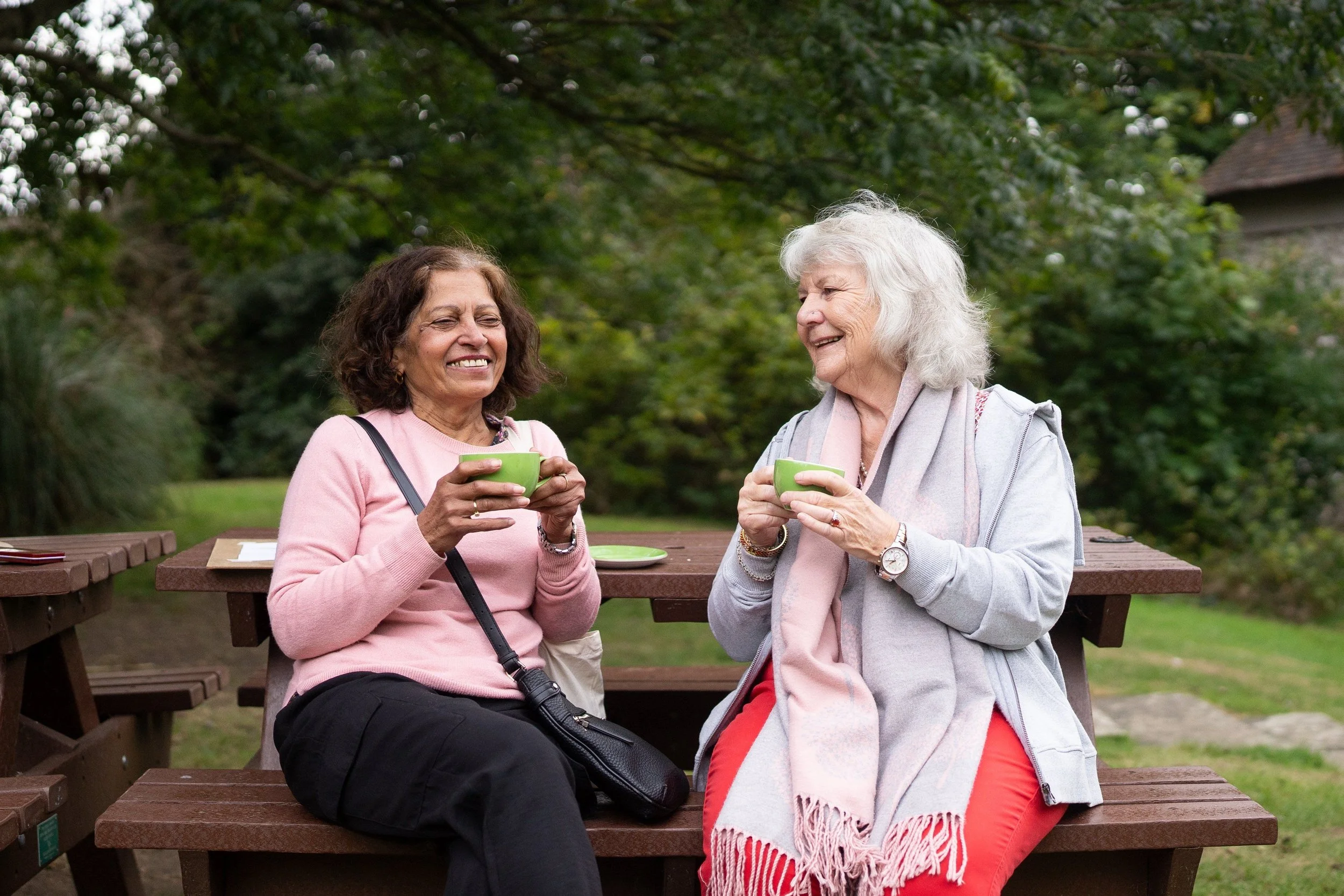
As our research into end-of-life experiences in Aotearoa New Zealand continues, one insight is becoming impossible to ignore: the quality of our final days is shaped long before death arrives.
The relationships we build, the communities we belong to, and the ways we show up for one another throughout life become the foundations that support us in the end. Social connection does more than give life meaning. It provides practical help, emotional strength, and a sense of belonging when people need it most.
We met Rachel, who described caring for her husband, Lachlan, as a privilege rather than a burden. Rather than dwelling on the unfairness of their circumstances, she chose to focus on making the most of the time they had left together, surrounded by friends, whānau, and the close-knit coastal community they both loved. Reflecting on those final months, she said:
"Taha whānau! Friends brought meals. Our Zoom catch-ups became more regular. Our family support was amazing. Visitors and workmates came and went. Small acts of kindness made everyday life easier, we still have leftover meals in the freezer. There was love coming from every direction. Just as Lachlan had lived, he died, surrounded by love and the community he cared so deeply about."
Rachel's story reminds us that a good death is rarely created by healthcare alone. It is created through relationships. Clinical care can ease pain and manage symptoms, but love, friendship, practical help and belonging are what make people feel safe, known and cared for.
Across our research, we heard this repeatedly. Families spoke of friends quietly taking over household jobs, grandchildren keeping vigil, colleagues calling in, and communities finding countless small ways to say “you are not alone”. These acts may seem ordinary, but together, they create extraordinary care.
Importantly, this kind of support cannot be mobilised at the moment of diagnosis. It is built over years of shared experiences, mutual care and reciprocity. It grows through everyday moments: celebrating milestones, sharing meals and simply being present for one another. By the time the end of life arrives, these relationships have become an invisible network carrying not only the person who is dying but everyone who loves them. One participant captured this beautifully:
"I think dying well is to be centred within overlapping circles of support."
Those overlapping circles offer far more than practical assistance. They create opportunities to reminisce, to forgive, to laugh, to sit quietly together, and to ensure that no one faces death alone. They affirm that a person's life mattered and that they remain connected to those around them until the very end.
But our research also revealed the other side of this story. What happens when those circles of support don't exist? When there is no family nearby. No close friends. No neighbour who notices the curtains remains drawn. No one who knows your story. Then dying can become profoundly lonely. One participant described watching her father struggle:
"Dad was stubborn, independent and old school. At 86 years old he refused all help offered. It was horrible to watch. He was in a bad mental state, depressed and angry. I'd find him sitting in his chair upright, leaning forward and trying to sleep in the only position that would give him any relief from his pain. I felt very alone and didn't know where to go for help."
Without social connection, care can become almost entirely clinical. Symptoms may be managed, but there is no one to witness a person's fears, understand their history or share the emotional weight of the journey. Family caregivers, where they exist, are left carrying overwhelming responsibility with little support, making it harder to navigate medications, recognise changes, or simply find time to rest.
These stories raise an important question for all of us: If dying well depends so heavily on connection, what responsibility do we have to build communities where no one reaches the end of life alone?
This is bigger than asking families to do more, or expecting healthcare services to fill every gap. It asks us to think about end-of-life care as something that belongs to all of us. The relationships and networks that sustain people at the end of life are built in ordinary times, through the everyday practices of showing up, noticing one another, sharing what we have and accepting help when we need it. They are strengthened when communities create spaces for people to belong and when reciprocity is understood as something we all participate in, rather than something reserved for times of crisis.
And when those circles of support are absent, we need to think differently about what care looks like. A person should not need to have a large family, a wide friendship network or a well-connected community in order to experience dignity and belonging at the end of life. Health and social care systems, community organisations, neighbours and local networks all have a role to play in noticing who is isolated and finding ways to build connections around them. Sometimes that might mean practical help. Sometimes it might mean a regular phone call, a familiar face, someone who knows their story, or simply someone willing to sit beside them. These may seem like small acts, but for someone facing the end of life, they can make the difference between being cared for and feeling alone.
Perhaps this is one of the most important lessons from our research. Dying well is not something we can suddenly create when death is near. It is something we prepare for throughout our lives, through the relationships we nurture and the communities we create. The same conditions that help people live well, connection, belonging, reciprocity, love and being known, are also what help us face the end of life with dignity.
In the end, what makes dying well is remarkably similar to what makes life worth living: love, connection and belonging.